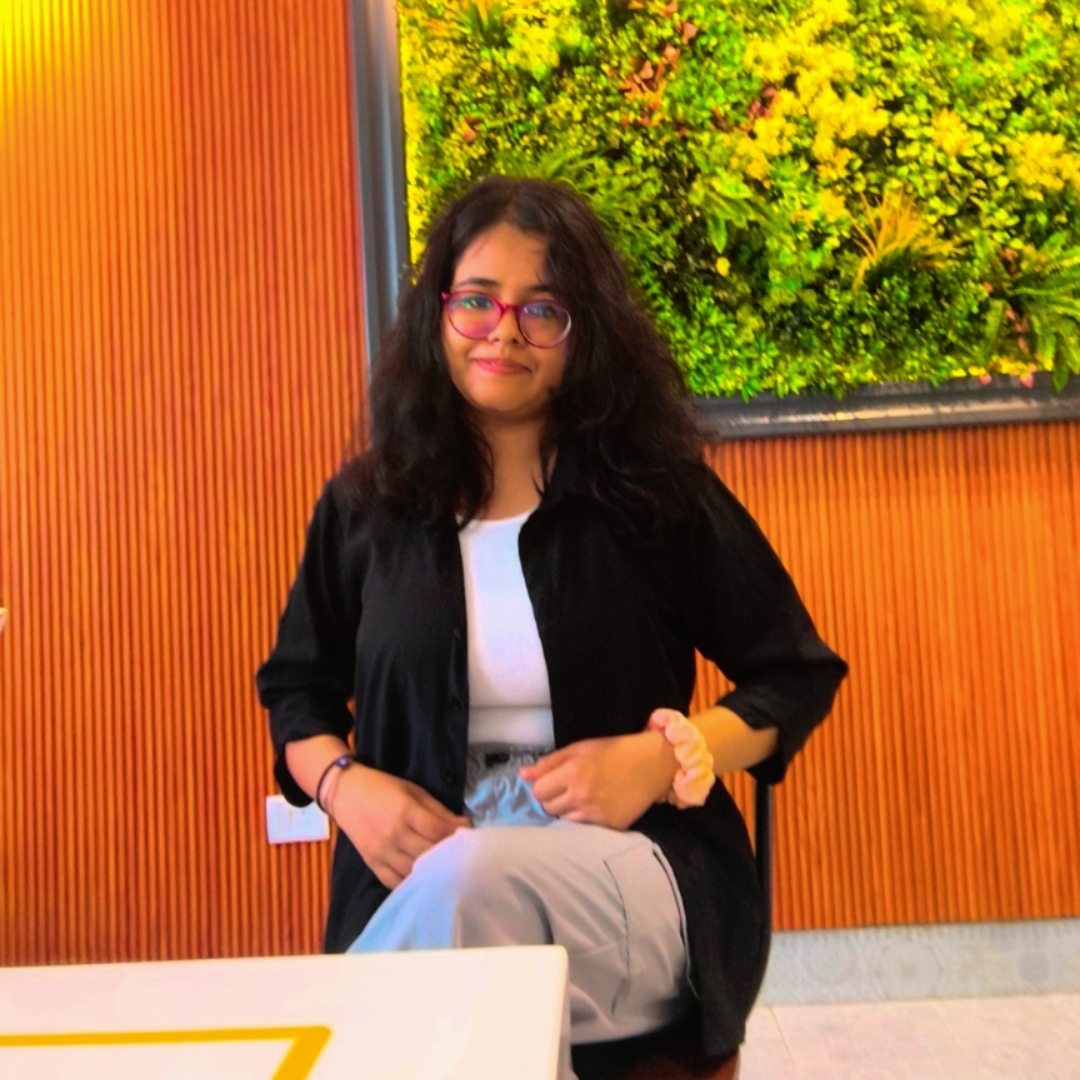
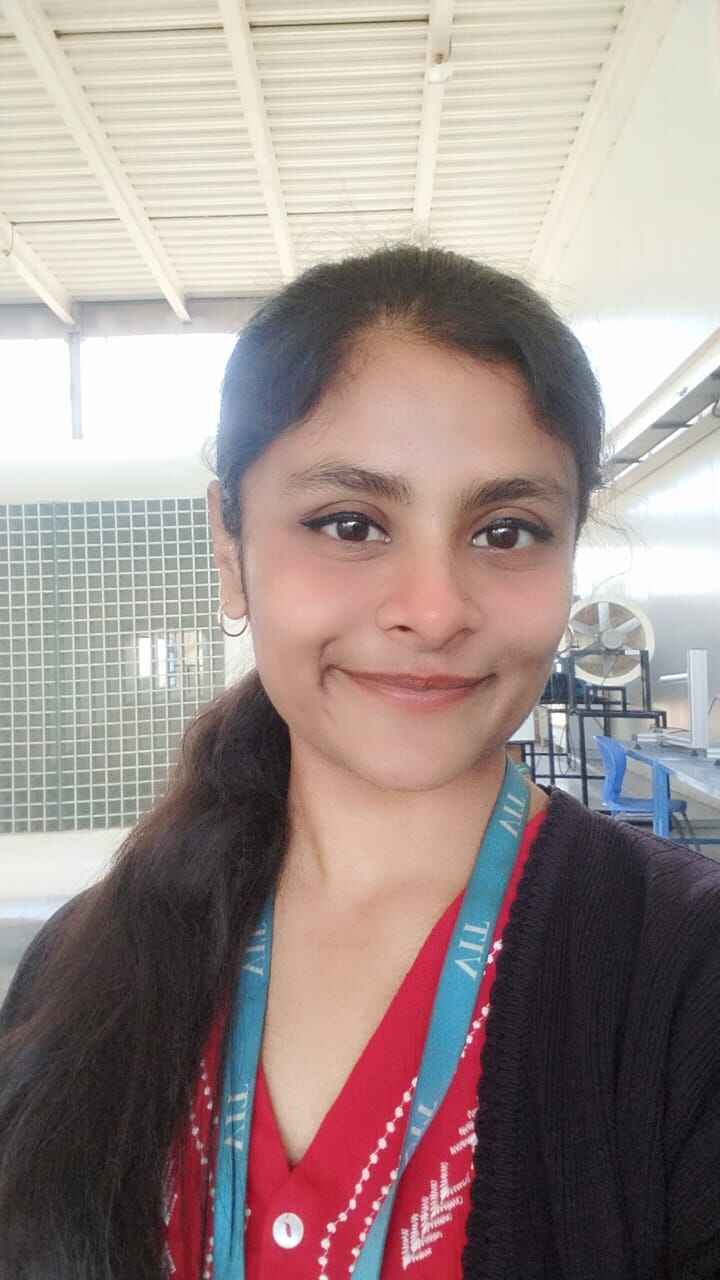
Author: Shreya Sharma | Aerodynamics Subsystem
🔹 Overview
As an Aerodynamic Member of Team Agnipaksha, I contributed to the design and analysis of our competition rocket following IREC guidelines.
My work focused on aerodynamic optimization, CFD analysis, and material evaluation using various software tools.
🔹 Design and Simulation
The design phase began in OpenRocket, where I modeled the rocket and ran flight simulations to study:
- Apogee
- Stability margin
- Center of pressure–center of gravity balance
For accurate 3D modeling, I used CATIA and Fusion 360, refining the structural design before analysis.
🔹 Nose Cone and Aerodynamics
I led the nose cone design, comparing geometries such as conical, ogive, and parabolic profiles.
Based on aerodynamic research and IREC requirements, we selected the Von Kármán shape for its low drag and stable high-speed performance.
Using CFD simulations, I verified smooth airflow and favorable pressure distribution, confirming the aerodynamic efficiency of the chosen design.
🔹 Structural and Thermal Studies
In ANSYS Mechanical, I performed structural and thermal analyses on the rocket body to ensure it could handle launch stresses and temperature variations.
Materials like Carbon Fiber and S-Glass were compared to identify the best balance between strength, weight, and heat resistance.
🔹 Material Library
To streamline our workflow, I created a custom ANSYS material library with key properties of aerospace materials.
It now supports faster, consistent material selection and analysis across all rocket subsystems.
🔹 Conclusion
This project gave me hands-on experience in aerodynamics, simulation, and material selection, transforming theoretical design into a validated rocket model.
It was a rewarding step in Team Agnipaksha’s mission to advance student rocketry through collaborative and research-driven engineering. 🚀